
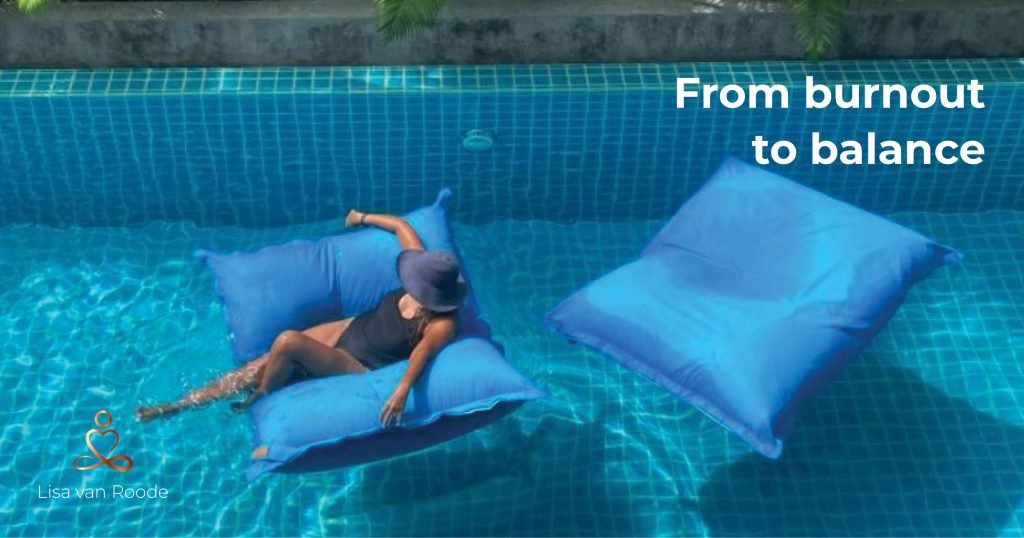
Being featured on Wereldwijven is a meaningful moment for me. My path from a fast-paced career to a mindful life in Thailand hasn’t always been easy, but it’s been real. Sharing this story connects me with women everywhere who, like me, juggle caring for others while forgetting themselves.
In Thailand, I meet locals, travelers and expats from all walks of life. Different stories, same challenge: self-care. Too often it’s seen as a luxury, but I’ve learned it’s the foundation for everything. Without it, we lose our balance.
At Lan Sabai, I see this daily. Guests arrive tired, overwhelmed, carrying too much. After a few days of slowing down, nourishing food, and mindful breathing, something changes. Shoulders drop. Laughter returns. Space opens for what truly matters.
This isn’t just my story — it’s a call to action. Caring for yourself isn’t selfish. It’s how you thrive. Start small: a mindful walk, a pause before your coffee, or booking that retreat you’ve been putting off. The life you want begins when you choose to care for yourself from the inside out.
Ready to take your next step towards balance and clarity?
Visit Lan Sabai to explore retreats, resources, and mindful living practices that bring you back to yourself. Visit lisavanroode.com to learn how to live younger longer and create a roadmap to a happy and healthy life.
Read the original article on Wereldwijven here: https://dewereldwijven.com/2025/09/05/zelfzorg-is-geen-luxe-het-is-de-basis-voor-een-leven-dat-goed-voelt-van-binnenuit/