
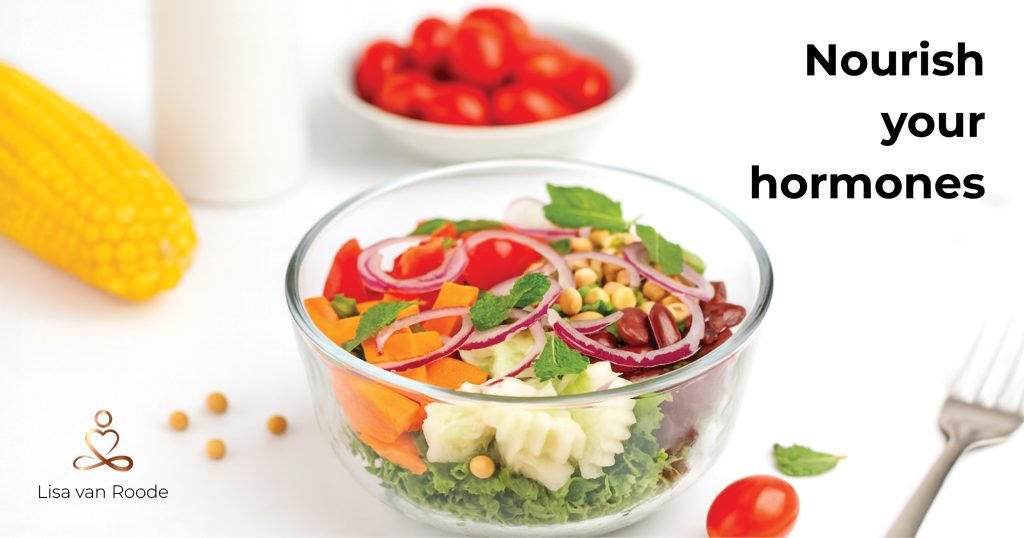
Because your energy, mood, sleep and weight all start with what’s on your plate.
Hormones act as silent messengers in the body, affecting how you feel, function, sleep and manage weight. For many women, particularly during perimenopause and menopause, a sense of being “off” can arise without a clear cause despite eating well and staying active.
The reality? Nutrition has a direct and profound impact on hormone balance.
The encouraging part is that once you understand what your body truly needs, you can reclaim your energy and well-being.
Protein, fibre and healthy fats: The foundations of hormonal health
A hormone-supportive diet is built on whole, unprocessed foods, especially those rich in:
- Protein – Essential for building lean muscle, regulating blood sugar and curbing cravings. Good sources include eggs, legumes, tofu, nuts, seeds and Greek yogurt.
- Healthy fats – Crucial for hormone production, brain health and mood regulation. Favour avocados, extra virgin olive oil, nuts, seeds and oily fish like salmon or mackerel.
- Fibre – Found in whole grains, fruits, vegetables and nuts, fibre supports digestive health and helps the body eliminate excess hormones efficiently.
The disruptive effects of sugar and alcohol
Many women unintentionally interfere with their hormonal balance through excess sugar and alcohol.
Added sugars cause spikes and crashes in blood glucose levels, which can lead to insulin resistance, a major contributor to fatigue, weight gain and hormonal dysregulation. Sugar also fuels inflammation and mood swings.
Alcohol disrupts sleep, increases systemic inflammation and impairs hormone production, particularly oestrogen and testosterone.
Moderation, not elimination, is key, but awareness empowers better choices.
What to eat more often
- Vegetables & Fruits – Rich in antioxidants, vitamins and fibre. They support the liver in metabolising hormones and reducing toxic load.
- Whole Grains – Brown rice, oats and quinoa help stabilize energy levels and blood sugar.
- Nuts & Seeds – Nutrient-dense, containing magnesium, zinc, essential fats and plant-based protein ideal for hormonal support.
The closer your food is to its natural form, the better your hormonal system will respond.
The takeaway
Food is not just fuel; it’s the foundation of healing.
If you feel tired, moody, bloated, or stuck in a cycle of fatigue and weight gain, it may be time to look closely at your plate.
Supporting your body with the right nutrients can result in:
- Increased energy
- Improved sleep
- Balanced moods
- Fewer cravings
- A body that feels strong, stable and vibrant
Your midlife journey is not about deprivation, it’s about deep nourishment.
Ready to take the first step?
Book a session to explore how small nutritional shifts can create big results in your hormonal health.